Estimate sample transport delay from 200 mL at 100 mL/min, then define the sampling point and indicated response for an analyser system acceptance test.
The indicated response of an analyser includes the time a fresh sample needs to reach it. A first estimate uses the sample volume and the flow at the conditions where that volume is defined.
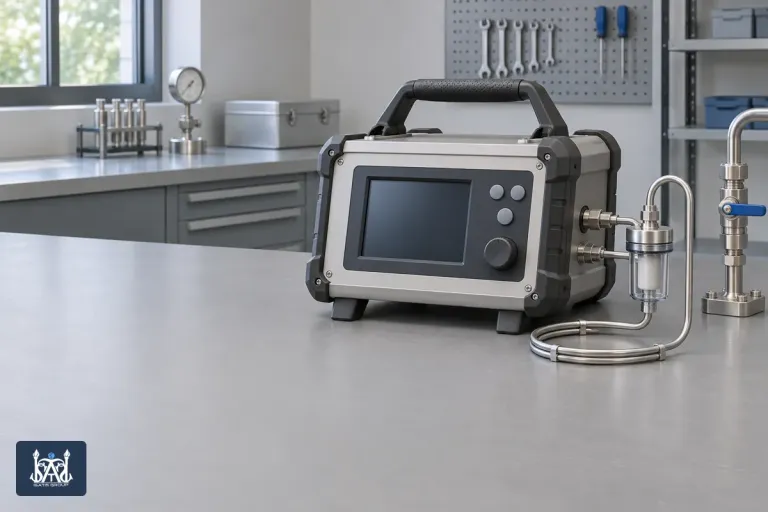
Draw the flow path actually feeding the cell
Count tubing, housings and other volumes that lie in the path. State the pressure and temperature basis of any gas flow value and distinguish a bypass flow from the smaller flow through the measuring cell.
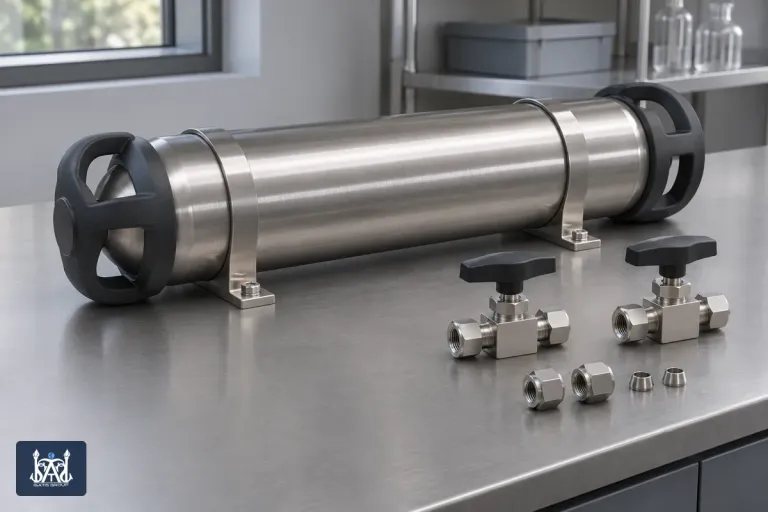
A 200 mL path at 100 mL per minute
Dividing 200 mL by 100 mL/min gives a nominal two-minute residence time at consistent conditions. Mixing, dead volumes and the analyser response can add delay. The result is a planning estimate, not an end-to-end response guarantee.
Enquiry checklist
| Item | What to record |
|---|---|
| Volume | Tubing and components in the measured path. |
| Flow | Actual sample rate and reference conditions. |
| Response | Required delay and how it will be checked. |
Check the quotation Send a sketch showing the sample take-off, conditioning equipment and measurement point. Mark the items included in this enquiry so that a price for one component cannot be mistaken for a complete sampling system.
For a promised response time, define both endpoints. One possible acceptance criterion starts when the sample changes at the take-off and ends when the indicated value reaches 90% of the final change. Record the sample flow and test conditions alongside it.
Ask for the assumptions behind the response figure. A fast sensor specified on its own may be installed behind a slow sampling system.
Sample enquiry to ISATIS
Please estimate transport delay and total response for the attached sampling arrangement. State the volumes, flows and test conditions used.